

Embracing Industry 4.0 in the Military & Defense Sector: A Technological Transformation

Placeholder

Ready for an adventure? Take a dive into my world of photography from exotic locations around the globe – from places like Zambia, Morocco, and more! All photos shot on the Canon EOS 5D. Feel free to reach out and connect with me!

Post Time

Ready for an adventure? Take a dive into my world of photography from exotic locations around the globe – from places like Zambia, Morocco, and more! All photos shot on the Canon EOS 5D. Feel free to reach out and connect with me!

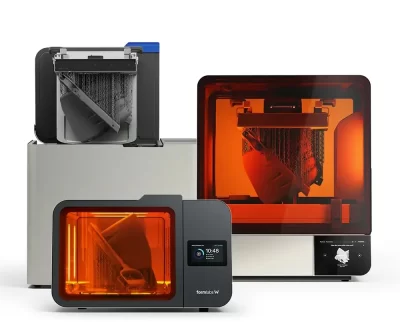
3D Printing: Enhancing Manufacturing and Logistics

3D printing, also known as additive manufacturing, is a game-changer for the defense industry. This technology allows for the creation of complex parts and components directly from digital models, significantly reducing the time and cost associated with traditional manufacturing methods.

Benefits:

  • Rapid Prototyping: Defense organizations can quickly produce prototypes for testing and evaluation, accelerating the development of new technologies and equipment.
  • On-Demand Production: 3D printing enables the production of parts on-site and on-demand, reducing the need for large inventories and minimizing supply chain vulnerabilities.
  • Customization: It allows for the customization of equipment to meet specific mission requirements, enhancing operational effectiveness.


3d printer printing

CAD Software: Enhancing Design and Engineering

Computer-aided design (CAD) software, such as SOLIDWORKS, plays a crucial role in the design and engineering processes within the defense sector. These tools provide engineers with the ability to create detailed 3D models and simulations of components and systems.

Benefits:

  • Precision and Accuracy: CAD software ensures high precision in the design of complex systems, reducing the likelihood of errors and improving overall quality.
  • Collaboration: It facilitates collaboration among engineers and designers, allowing for seamless integration of different components and systems.
  • Simulation and Testing: CAD tools enable virtual testing and simulation of designs under various conditions, identifying potential issues before physical prototypes are built.


one click metal - CAD Design (1)

3D Scanning: Improving Maintenance and Repair

3D scanning technology is used to capture the exact dimensions and geometry of physical objects, creating precise digital models. This technology is particularly valuable for maintenance, repair, and overhaul (MRO) operations in the defense sector.

Benefits:

  • Accurate Inspections: 3D scanning allows for detailed inspections of equipment, identifying wear and tear or damage that may not be visible to the naked eye.
  • Reverse Engineering: It enables the reverse engineering of obsolete or damaged parts, ensuring that critical equipment can be repaired or replicated even when original blueprints are unavailable.
  • Efficiency: By providing accurate digital models, 3D scanning streamlines the repair process, reducing downtime and enhancing operational readiness.


Man using GOM Scan 1 3D Scanning Hardware

Future Trends in Industry 4.0 for the Military & Defense Sector

As Industry 4.0 continues to evolve, several trends are expected to shape the future of the military/defense sector:
  1. Artificial Intelligence and Machine Learning
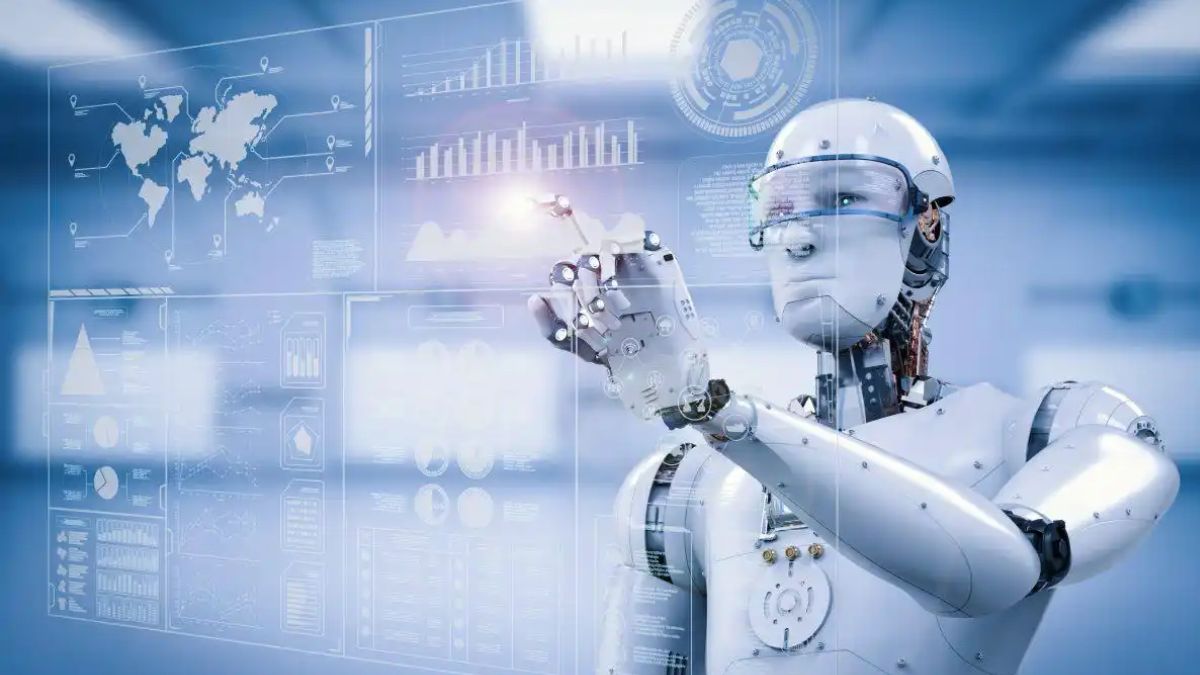
  2. AI and machine learning will play a pivotal role in enhancing decision-making processes, predictive maintenance, and autonomous systems. These technologies will enable more efficient data analysis and real-time decision-making, improving operational effectiveness.
  3. Internet of Things (IoT)
  4. The integration of IoT devices will enhance connectivity and communication between various defense systems. This will lead to improved situational awareness, better coordination, and more efficient resource management.
  5. Augmented and Virtual Reality (AR/VR)
  6. AR and VR technologies will be increasingly used for training and simulation purposes. These immersive technologies provide realistic training environments, allowing personnel to practice and refine their skills in a safe and controlled setting.
AI Native Companies Leading in Data-Driven Decision Making for Industry 4.0
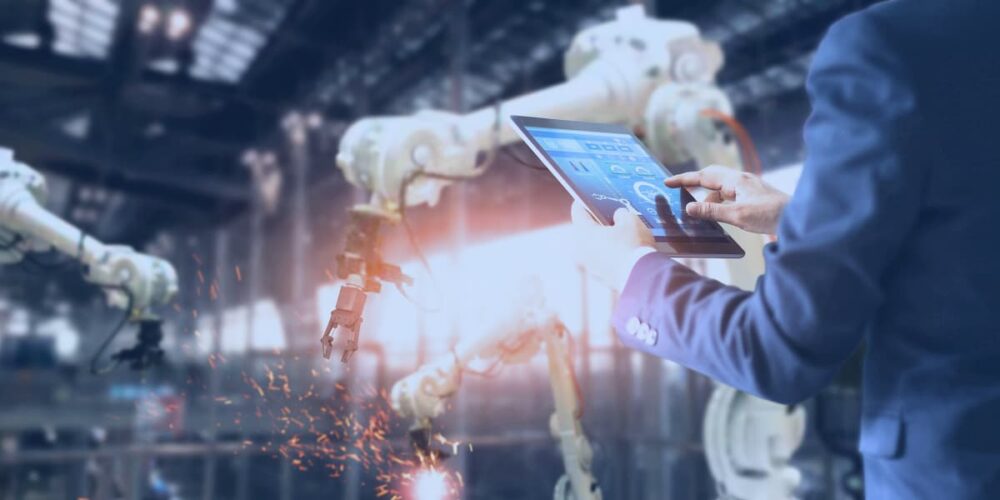
Manufacturing better assets blog image
Woman training remotely using VR headset

TRENDING POSTS